Early Life
Born in Nuris in 1915
Siti was born in Nuris, a village near Nazareth. She was the eldest of five sisters. Her father was a teacher known locally for his healing abilities, and her childhood unfolded through Ottoman rule and the upheaval of World War I.
Nakba
A family expelled overnight
Around 1935 she married Mohammed, farmed their land and raised three children. In 1948, following the creation of the State of Israel and the Arab-Israeli War, the family was expelled from their village and fled into the mountains. Their home, land and possessions were lost.
Refugee Camp
Temporary shelter became permanent life
After shelter in Zababdeh, the family moved to Jenin Refugee Camp. What was meant as temporary accommodation became home. During the 1967 war, they were displaced again and spent three months in a mosque before returning to the camp.
Family
Loss, memory and perseverance
Mohammed died in 1999. During the Second Intifada, the family home was destroyed by the Israeli army. Siti lost treasured possessions, including the key to her original home in Nuris, a symbol of memory, hope and the Right to Return.
Creation of Al Tafawk
The rebuilt home became a centre for children
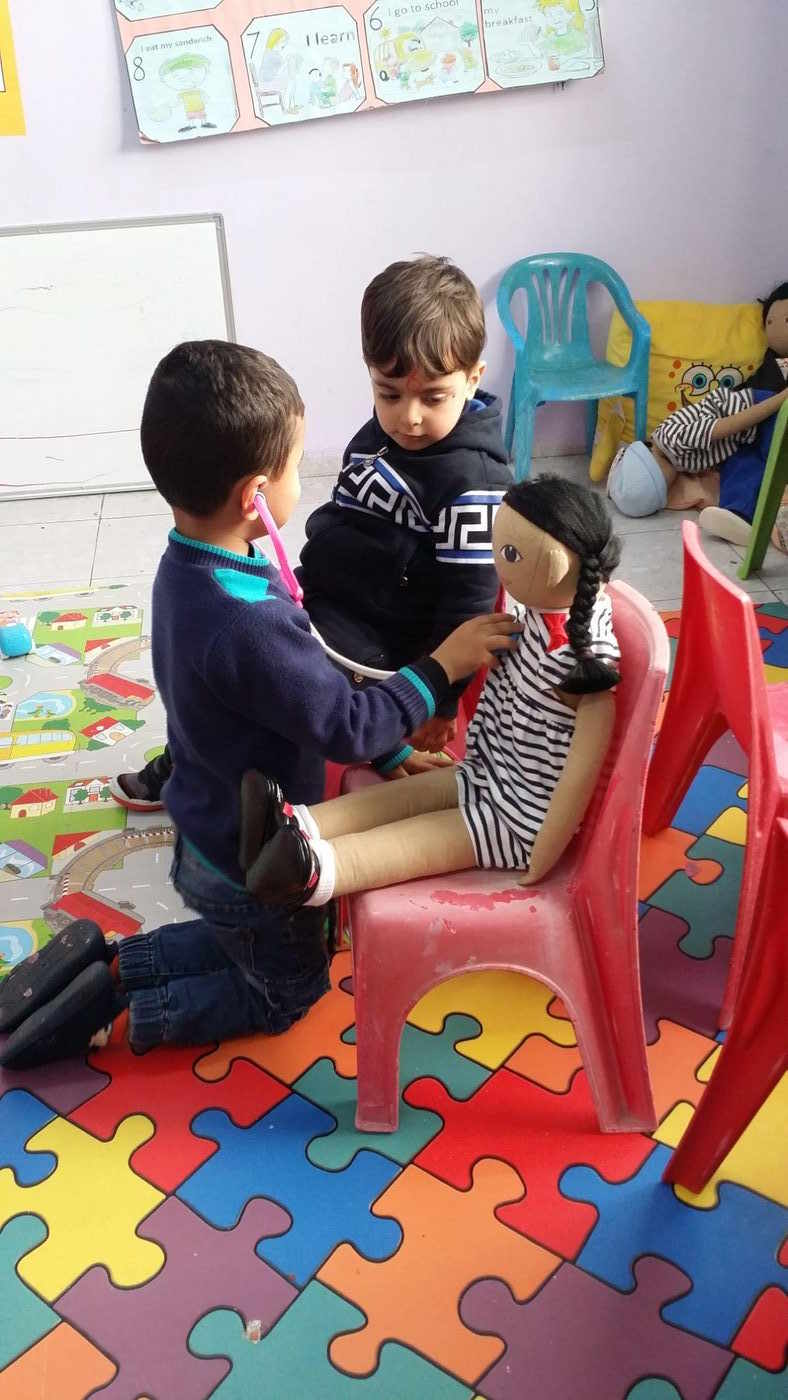
When the family home was rebuilt, they chose not to live there. Instead, they created Al Tafawk, a community centre for children and young people. It became a symbol of resilience, community and hope for future generations.
Legacy
A wish to return, and a legacy that continues
Siti's one wish was to return to Nuris, where she was born, grew up, married and imagined her future. She died in 2020 without seeing that wish fulfilled. Al Tafawk carries forward her commitment to family, memory and the children of Jenin.